How Content Management Systems Drive Business Growth
Discover how CMS play a pivotal role in driving business growth. In this blog, we'll explore the fundamental aspects of CMS and how they streamline content management, enhance collaboration, and improve user experiences.
In the fast-paced, ever-evolving world of the internet, one thing remains constant: content is king. Whether you're a blogger, an e-commerce entrepreneur, or managing an online platform, the way you handle your content can make or break your online presence. Content Management Systems (CMS) have emerged as essential tools for this purpose, revolutionizing the way we create, edit, and present digital content.
In this blog, we'll explore the ins and outs of CMS, understand the concept of Headless CMS, discuss the benefits of using CMS in your projects, and take a closer look at some of the popular CMS options available today.
Understanding Content Management
Content management is the backbone of any successful online venture. It covers a wide range of tasks, including creating, editing, organizing, and publishing digital content. The objective is clear: deliver content to your audience seamlessly and effectively. A robust CMS simplifies these tasks, empowering you to focus on what truly matters—creating engaging and valuable content. No more getting bogged down in the technical intricacies of web development; a CMS takes care of that, allowing you to concentrate on your content strategy and user engagement.

For example, this blog too is written inside a CMS Environment. No attention on web development tasks is required since all the tasks are automated even the SEO of the web page!
What is Headless CMS?
Traditional CMS platforms tightly couple content with its presentation. While this approach works for many websites, it can be limiting when you need to deliver content across various platforms and devices. WordPress is a typical example of this since it has content attached with the frontend. We can directly edit the content in the page where it is lying.
This is where Headless CMS steps in. Headless CMS decouples the content from its delivery, offering greater flexibility. In simple words, it provides a separate API to manage the content and is not concerned with frontend for the content. With a Headless CMS, you can deliver content to web pages, mobile apps, IoT devices, and more, all from a single source. It's a game-changer for modern websites and applications, and it's no wonder why it's gaining popularity. Some of the popular Headless CMS are Sanity, and Strapi which is open-source.
Benefits of Using CMS Services in a Project
The benefits of using a CMS in your projects are numerous:
- Streamlined Content Creation and Editing: Say goodbye to complex coding. With a CMS, you can create and edit content effortlessly through a user-friendly interface.
- Collaboration: Work seamlessly with your team, with role-based access controls, ensuring the right people have access to edit and manage content.
- Version Control and Content History: Keep track of content changes, and easily revert to previous versions if needed.
- Improved SEO and Site Maintenance: Most CMS platforms offer built-in SEO features, helping you optimize your content for search engines. Additionally, they simplify site maintenance, making updates and security patches hassle-free.
- Scalability and Easy Updates: As your content grows, your CMS can scale with you. Plus, CMS updates and improvements are typically straightforward.
Popular Content Management Software on the Web
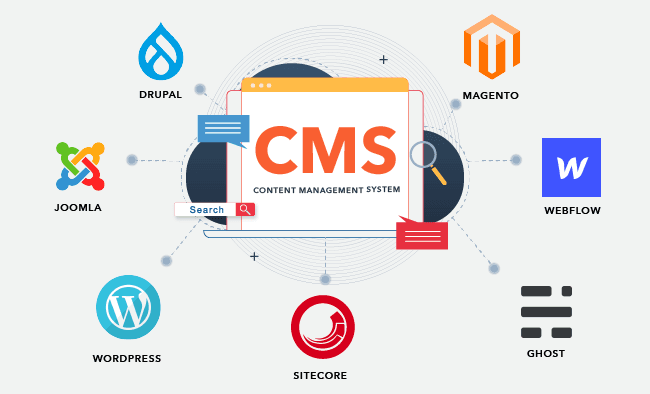
The world of CMS is vast, with options catering to diverse needs. Some of the most popular CMS platforms include WordPress, Drupal, Joomla, and Magento for web content. On the other hand, if you're exploring Headless CMS, platforms like Strapi, Contentful, and Sanity are gaining traction. Each of these platforms has its strengths, and your choice should align with your project's specific requirements.
Headful CMS:
WordPress
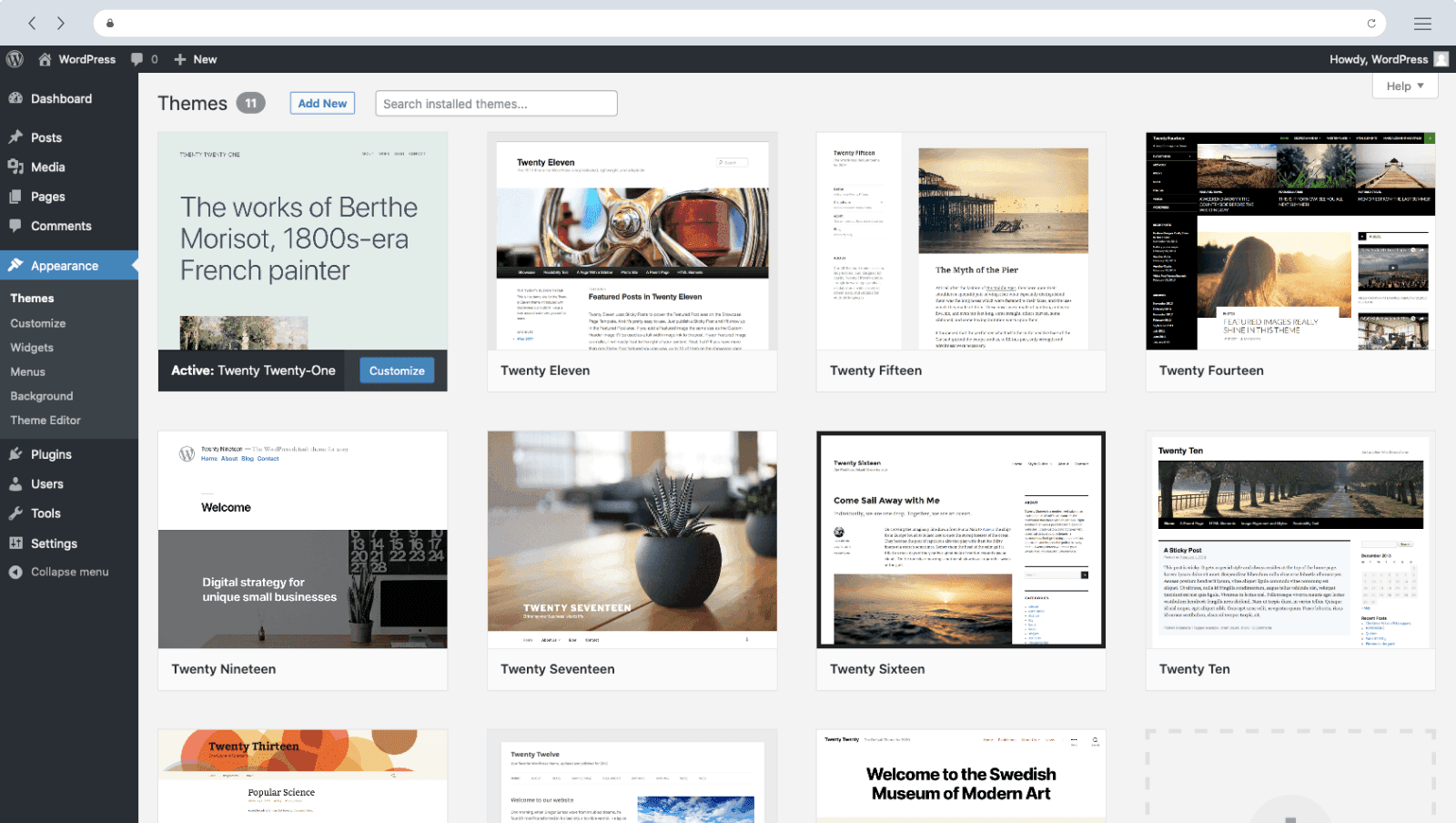
WordPress is the reigning king of Headful CMS platforms, powering over 40% of websites on the internet. It's user-friendly, highly customizable, and boasts a vast ecosystem of plugins and themes. Whether you're a blogger, small business owner, or a large corporation, WordPress can be tailored to suit your needs. With its extensive community and developer support, you'll find solutions to virtually any website challenge.
Webflow
If you are a web-designer, Webflow is for you. Webflow combines the ease of visual website design with powerful CMS capabilities. It's an ideal choice if you want full creative control over your website's design while still benefiting from a content management system. Webflow allows you to create custom websites without writing a line of code, making it a favorite among designers and developers alike.
Headless CMS:
Sanity
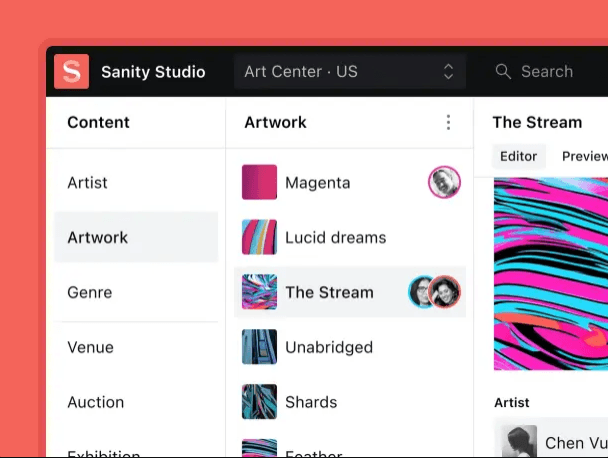
Sanity is a rapidly growing name in the world of Headless CMS. It offers an open-source, real-time, and collaborative content editing experience. Sanity offers Content Cloud with a generous free tier which makes it easy to setup. What sets Sanity apart is its flexibility. You have complete control over your content structure and can define custom data models. It's an excellent choice if you need to manage content for websites, mobile apps, or any digital platform with different content types and formats.
Strapi
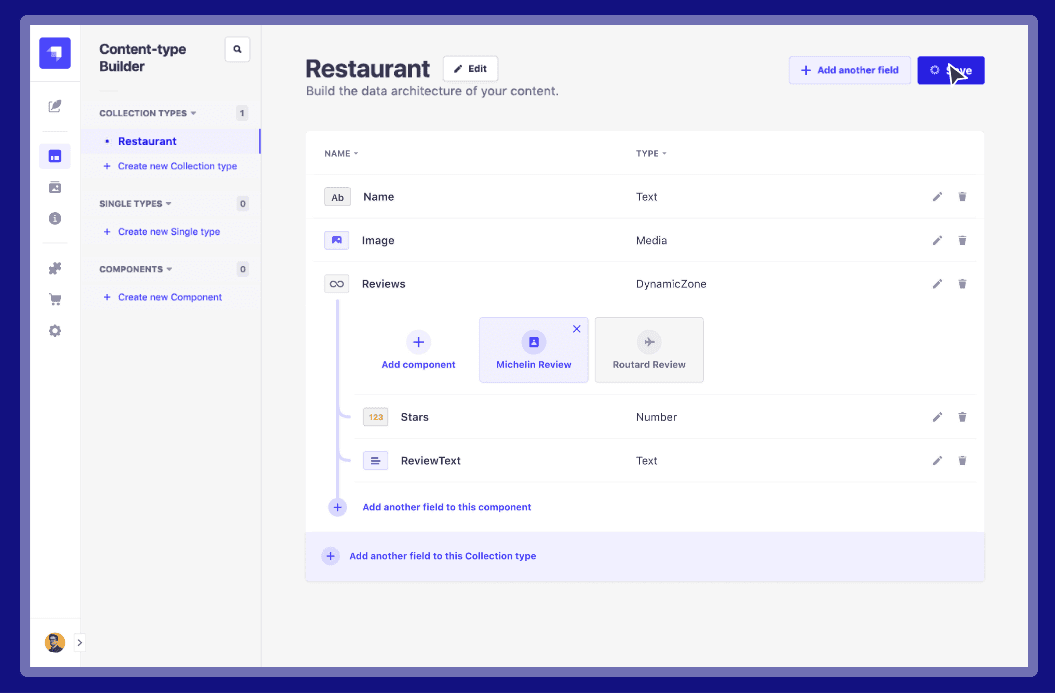
Strapi is another open-source Headless CMS that has been gaining popularity. It provides developers with a powerful set of tools to create and manage API-driven content. Strapi is developer-friendly, offers extensive customization, and can be used to build scalable websites and applications. With Strapi, you have the freedom to adapt your content structure to your specific project needs.
Selecting the Right CMS to Suit Your Requirements
Choosing the right CMS is a critical decision. It should be influenced by factors like your content type, scalability, customization needs, user-friendliness, and the availability of plugins and extensions. It's also essential to consider your team's familiarity with the chosen platform. Finding the perfect balance between your content needs and the capabilities of your CMS will be the key to success.
For those of you wondering, I've recently implemented several projects, including my portfolio and the Dev Piece platform, using Sanity, a Headless CMS. This choice allows for complete content customization, making it easy to manage and add new content effortlessly.
In the ever-expanding digital landscape, mastering content management is paramount. Whether you opt for a traditional CMS or embrace the flexibility of a Headless CMS, your choice will influence how you engage with your audience and adapt to the dynamic online environment.

Written by
Adnan S. Husain
Software dev, blogger and a tech enthusiast